Showing all 8 results
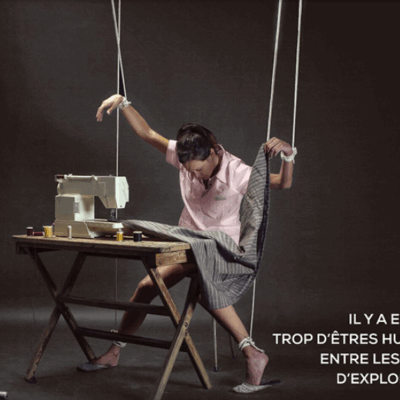
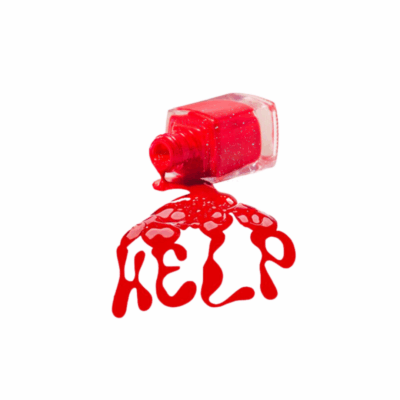
Awareness Campaign on Economic Exploitation in Nail Bars / 2023
Human trafficking tends to develop in economic sectors that rely on low-skilled labour. By reducing the demand for goods or services produced by trafficked workers, it is possible to fight concretely against this exploitation of human beings.
You can help drive change by avoiding nail bars where workers are exploited. Here are some indicators that may help you identify them:
– A particularly strong smell of products: often harmful and combined with poor or insufficient ventilation, making it unbearable for workers to breathe throughout the day. The products used do not always comply with EU standards → the label should appear on the packaging. – Poor hygiene practices: tools are not sterilised → risk of infections for clients. – Excessive speed of work: because workers must perform as many services as possible → stress increases the risk of injury for clients. – (Almost) unlimited availability: workers are there 7 days a week, outside official hours, with appointments made via SMS/WhatsApp. For example, during COVID, workers solicited clients in the street on weekends or evenings, even when salons were officially closed. – Employees’ clothing reflects poverty. – The worker does not speak French or English: communication is difficult or impossible without another worker translating. – Very low prices: intended to attract a maximum number of clients, served in rapid succession. Workers are forced to work continuously, often without breaks to eat.- Workers soliciting customers outside: employees from different nail bars compete openly to pull in potential clients. – Presence of both men and women: unusual in the beauty sector, which is typically dominated by women.
“I Say Stop” Awareness Campaign
Since its creation, Samilia has been an active member of the STOP GROUP, which works to combat the sexual exploitation of children and brings together other civil society actors such as ECPAT Belgium, Child Focus, Plan International Belgium , as well as the Federal Public Service Justice, Federal Public Service Foreign Affairs, the Federal Judicial Police, Defense, the Tourism Federation, and FEBETRA.
We are now launching the new awareness campaign “I SAY STOP”, aimed at reporting situations where the exploitation of minors is clearly identified, even abroad.
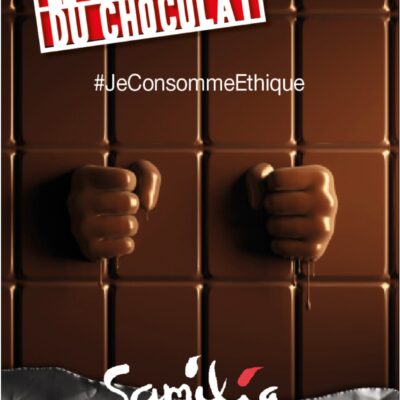
Chocolate: We all love it, but we often ignore the bitter realities behind its production.
Raising awareness and acting ethically can make a difference. For every visitor supporting our initiative, we will plant a virtual cocoa tree. The image is symbolic, but it represents your invaluable commitment.

This initiative aims to highlight the dark side of an extraordinary sporting event: human exploitation and trafficking. This campaign is in no way intended to be directed against the World Cup or any other sporting event. It is a campaign that denounces the crimes committed in the shadows. The World Cup attracts millions of fans. Unfortunately, most of these supporters are unaware that behind the smiles, the celebrations, and the breathtaking skills, some unscrupulous individuals take advantage of the situation to commit appalling atrocities: forced begging, forced prostitution, forced labor, and human trafficking. This campaign juxtaposes the thrill of the game with the horror of human exploitation. It contrasts the excitement of sports betting with the despair of human trafficking victims. The tone is deliberately provocative: betting on human suffering is horrific, we all agree. But this approach allows us to confront realities that will coexist for a month: the reality of the World Cup and that of individuals who treat others as merchandise, as currency for their own profit.

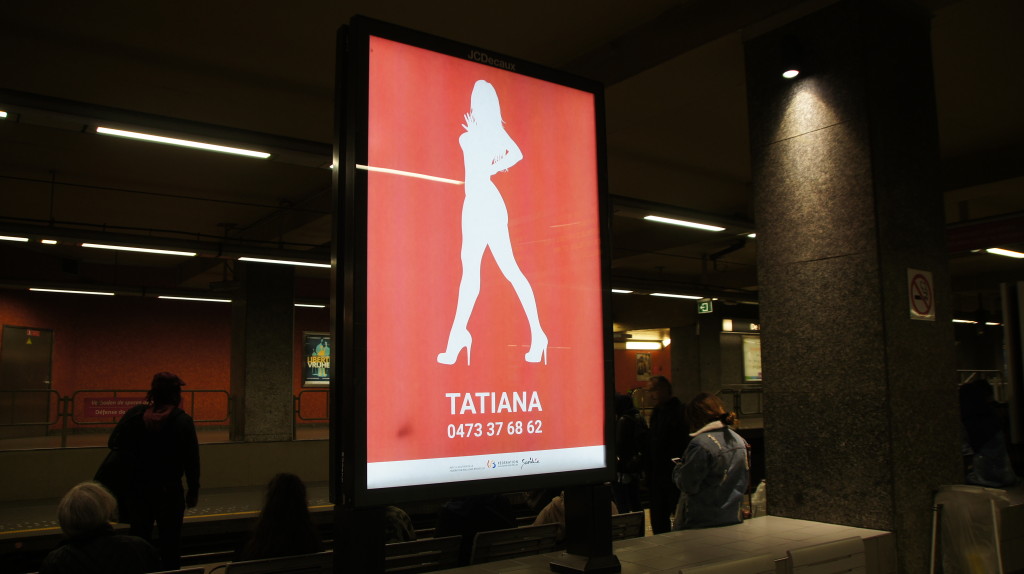
From 2009 to 2012: Awareness campaign in partnership with ECPAT and THE BODY SHOP stores. From 2009 to 2012, SAMILIA, ECPAT International, and THE BODY SHOP joined forces in an international campaign against the trafficking of minors for sexual purposes. This campaign, which aimed to raise public awareness of the scale of this phenomenon, also raised funds for the development of various prevention projects, such as the prevention project in Romania initially developed in partnership with ECPAT, and mobilized governments to initiate policy changes to better prevent and combat this unacceptable crime.
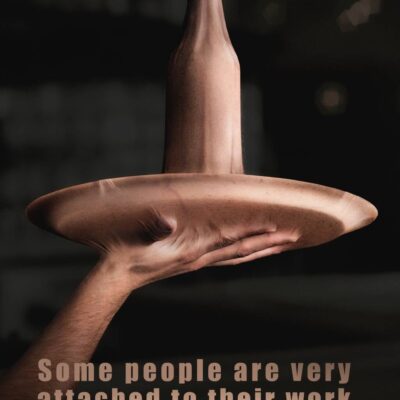
October 18th was chosen in 2007 by the European Commission as the “European Day against Human Trafficking.” On October 18, 2008, the Samilia Foundation, in collaboration with key Belgian organizations fighting human trafficking, jointly launched a major national awareness campaign, “Human Trafficking. Don’t Turn a Blind Eye,” to coincide with the second edition of this European Day. The campaign’s objective was to put the plight of human trafficking victims back on the political agenda. For this campaign, a short film entitled “10 Minutes” was specially produced by filmmaker Jorge Leon. This powerful short film is based on the transcript of a young woman’s testimony as a victim of prostitution exploited by a criminal network.

