Showing all 5 results
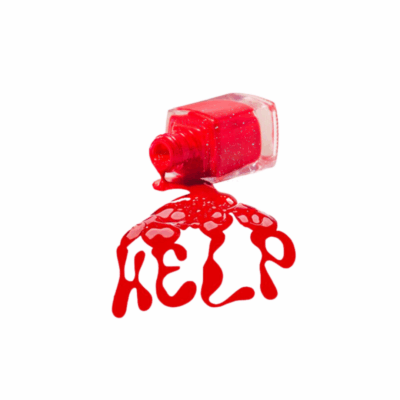
Awareness Campaign on Economic Exploitation in Nail Bars / 2023
Human trafficking tends to develop in economic sectors that rely on low-skilled labour. By reducing the demand for goods or services produced by trafficked workers, it is possible to fight concretely against this exploitation of human beings.
You can help drive change by avoiding nail bars where workers are exploited. Here are some indicators that may help you identify them:
– A particularly strong smell of products: often harmful and combined with poor or insufficient ventilation, making it unbearable for workers to breathe throughout the day. The products used do not always comply with EU standards → the label should appear on the packaging. – Poor hygiene practices: tools are not sterilised → risk of infections for clients. – Excessive speed of work: because workers must perform as many services as possible → stress increases the risk of injury for clients. – (Almost) unlimited availability: workers are there 7 days a week, outside official hours, with appointments made via SMS/WhatsApp. For example, during COVID, workers solicited clients in the street on weekends or evenings, even when salons were officially closed. – Employees’ clothing reflects poverty. – The worker does not speak French or English: communication is difficult or impossible without another worker translating. – Very low prices: intended to attract a maximum number of clients, served in rapid succession. Workers are forced to work continuously, often without breaks to eat.- Workers soliciting customers outside: employees from different nail bars compete openly to pull in potential clients. – Presence of both men and women: unusual in the beauty sector, which is typically dominated by women.

Awareness campaign on economic and domestic exploitation / 2022
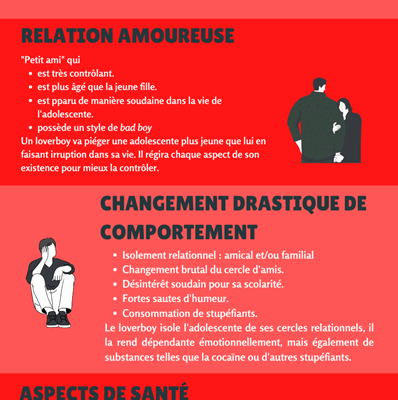
Awareness Campaign on Sexual Exploitation / 2020
Short Film
Watch here the full version of the short film directed by Agustin Eguia, who joined our efforts to combat sexual exploitation — a severe violation of human rights. This video was produced by the Belgian company 87 seconds, with the support of Wallonia-Brussels International and the Culture Department of the Wallonia-Brussels Federation. The video also received the patronage of the UNODC Blue Heart Campaign.
On 10 June 2020, Samilia received the First Prize — in the category “organizations active in the social profit sector” — at the Video Experience Day organized by AP Hogeschool Antwerp.
October 18 marks the European Anti-Trafficking Day.
For the occasion, Samilia is partnering with artist Milva Ghenda for an exhibition denouncing dehumanization and human trafficking in this pandemic period.
COVID-19 has had devastating consequences on fundamental rights, especially for people in vulnerable situations such as victims of human trafficking. For Samilia, it was essential to collaborate with a committed artist in order to address the issue of trafficking in an artistic and sensitive way.
The exhibition dates will be announced as soon as health measures allow it. Stay tuned!
#EUAntiTraffickingDay #traitedesêtreshumains #TEH #Samilia #MilvaGhenda #Endhumantrafficking #HumanRights
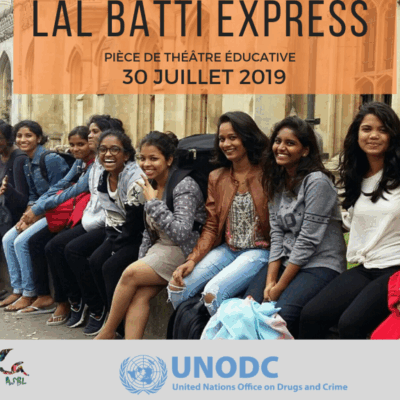
On the occasion of World Day against Trafficking in Persons, on July 30, 2019, Samilia ASBL is organizing an exceptional and unique performance in Belgium: the theatre play “Lal Batti Express”.
The newly created Samilia ASBL aims to implement field projects for awareness-raising and prevention of human trafficking in Belgium.

