Showing 17–23 of 23 results

Football against Trafficking - Afrique de l’Ouest

Project to prevent human trafficking in Côte d’Ivoire, Benin, Senegal and DRC / 2014

From Africa and elsewhere, talented young athletes, victims of unscrupulous intermediaries or outright human traffickers, end up in Europe, particularly Belgium, after often chaotic journeys. While these practices don’t involve major football clubs, most of which have their own academies in Africa, nor reputable agents, some of whom do remarkable work, West Africa is a veritable hunting ground for traffickers. Becoming a football star in Europe is the ultimate dream of millions of young Africans, who, along with their families, are ready to make any sacrifice to follow in the footsteps of their idols like Didier Drogba, Cheikh Tioté, and Samuel Eto’o.
Thanks to its EXPERTISE, the SAMILIA FOUNDATION, concerned by the vulnerable situation of these young players, has been working for several years to denounce these practices, support those who are victims and act on legislative measures.
In some African countries, it’s easier to succeed as a professional football player than through education. That’s why thousands of young people drop out of school and train, hoping to become the next Drogba. To reach this promised land, these young people and their families are ready to do anything, including paying astronomical sums to agents to smuggle them to Europe.
Preventing Trafficking - Bucarest

Project to prevent human trafficking in Romania / 2009 – 2020

Romania is doubly affected by human trafficking: it is the country of origin of the victims, and also a transit country.

“STOP HUMAN TRAFFICKING” Project to prevent human trafficking in Romania

Since 2009, Samilia has been leading a coordinated human trafficking prevention project in Bucharest, which she implements in collaboration with local Romanian actors and partners, targeting a vulnerable population, including young women in precarious situations and their children. At the request of the Bucharest Directorate of Education, the prevention program was then gradually extended in 2016 to students in technical and vocational high schools in Ploesti and subsequently in Bucharest.
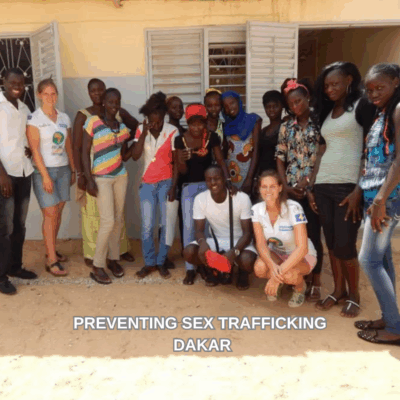
Preventing Sex Trafficking – Dakar

The project, led in Dakar in 2014 by two volunteer nurses, Tyana Lenoble and Valentine de Bergeyck, aimed to prevent the sexual exploitation of young Senegalese girls in partnership with the AJE association. Faced with poverty, lack of education, and the taboo surrounding prostitution, they worked with a group of about fifteen particularly vulnerable young women. Their mission was to raise awareness of the physical, psychological, and social risks associated with prostitution, while promoting education as the primary protective factor. Through workshops, testimonials, and the creation of a climate of trust, they identified the factors contributing to vulnerability and supported the young women in designing a prevention brochure. Trained as ambassadors, these young women now continue raising awareness among their peers, ensuring the project’s continuity.
Business Against Slavery

Business Against Slavery (“BAS”) is a training program for companies. As international producers, companies often interact with a large number of suppliers and workers worldwide. For this reason, companies can play a vital role in combating human trafficking by safeguarding against labor abuses in their supply chains and ensuring that workers receive a living wage. Companies have a unique opportunity to help transform poor and vulnerable workers into self-employed individuals, thereby reducing their risk of becoming victims of human trafficking and exploitation.

Today, a company’s image is closely linked to its supply chain and respect for human rights, from raw materials to the final product. Furthermore, it is increasingly important for customers to know not only where their purchases come from but also under what conditions they were manufactured or where they originate. It is therefore crucial to build an image that reflects this reality in a world governed by the media and social networks in particular. Supply chain transparency is a topic frequently discussed in the press and should be part of CSR policies. It is important in terms of sustainability as well as image and marketing. Supply chains can be exposed to the risk of human trafficking, with currently 49 million victims, some of whom are exploited – forced to pick cocoa for our chocolate, extract metal for our phones, etc. Human trafficking is specifically prohibited by Article 5 of the European Union’s Fundamental Rights Charter. High-risk sectors for human trafficking – besides the sex industry – include agriculture, mining, construction, and tourism. Today, companies must ensure they are ahead of the competition and proactive rather than reactive in ethical sourcing and production, from raw materials to the final product. This may involve going even beyond simply signing corporate codes of conduct and CSR policies, for example, by implementing social inclusion programs for survivors of human trafficking.

International Conferenc: NY 65 years later

International Conference in Brussels (30/09/2013) / 2013
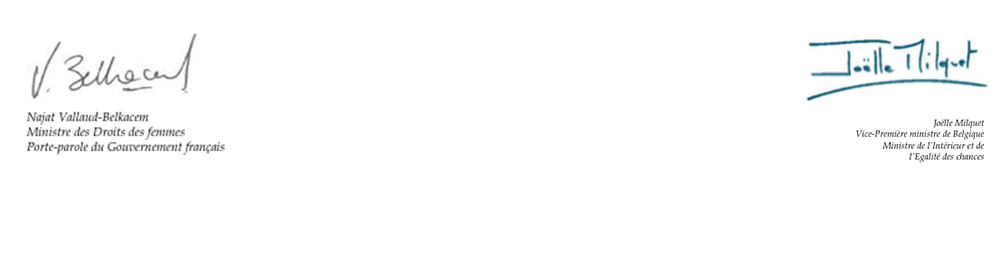
Message from Joëlle Milquet, Deputy Prime Minister of Belgium, Minister of the Interior and Equal Opportunities, and Najat Vallaud-Belkacem, Minister for Women’s Rights, spokesperson for the French government.
The United Nations Convention for the Suppression of the Traffic in Persons and of the Exploitation of the Prostitution of Others is turning 65. To mark this anniversary, we wanted to organize an international conference in Brussels that will bring together all the European countries that have signed or ratified the New York Convention. This Convention is of particular importance because it remains the only specific international instrument on the issue of trafficking in human beings for the purpose of the exploitation of the prostitution of others. Given the scale of human trafficking and the exploitation of prostitution, we wanted to frame the discussion within a gender and human rights perspective. This international conference, organized in partnership with the Samilia Foundation, will assess the situation within the European Union. It will also address broader themes such as the hypersexualization of our society and emerging phenomena like child prostitution and new means of communication. The Conference will be followed by a ministerial roundtable in which Her Majesty Queen Mathilde of Belgium will participate. We wished to invite the ministers of the European countries that have signed or ratified the New York Convention to present best practices and particularly compelling experiences that can change the image of prostitution and reduce demand. These discussions will focus, in particular, on the link between prostitution and the development of human trafficking for sexual exploitation, as well as on prostitution as a form of violence against women and the fight against child prostitution. This Conference and the ministerial roundtable will provide a unique opportunity to take stock of the policies implemented to combat human trafficking and the exploitation of prostitution. This dual event will be an opportunity to reiterate the objectives of the New York Convention and to re-engage the signatory and party States. Finally, it will allow for particularly useful consultation in order to move towards a common strategy in these areas, which is more necessary than ever. 
Stop Child Prostitution & Traffic

From 2009 to 2012: Awareness campaign in partnership with ECPAT and THE BODY SHOP stores. From 2009 to 2012, SAMILIA, ECPAT International, and THE BODY SHOP joined forces in an international campaign against the trafficking of minors for sexual purposes. This campaign, which aimed to raise public awareness of the scale of this phenomenon, also raised funds for the development of various prevention projects, such as the prevention project in Romania initially developed in partnership with ECPAT, and mobilized governments to initiate policy changes to better prevent and combat this unacceptable crime.
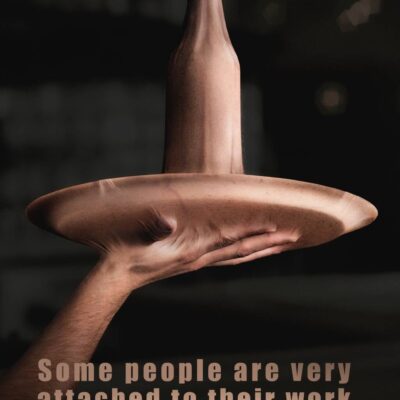
Human trafficking: don't turn a blind eye

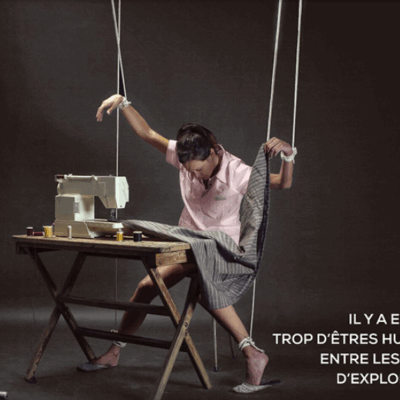
October 18th was chosen in 2007 by the European Commission as the “European Day against Human Trafficking.” On October 18, 2008, the Samilia Foundation, in collaboration with key Belgian organizations fighting human trafficking, jointly launched a major national awareness campaign, “Human Trafficking. Don’t Turn a Blind Eye,” to coincide with the second edition of this European Day. The campaign’s objective was to put the plight of human trafficking victims back on the political agenda. For this campaign, a short film entitled “10 Minutes” was specially produced by filmmaker Jorge Leon. This powerful short film is based on the transcript of a young woman’s testimony as a victim of prostitution exploited by a criminal network.