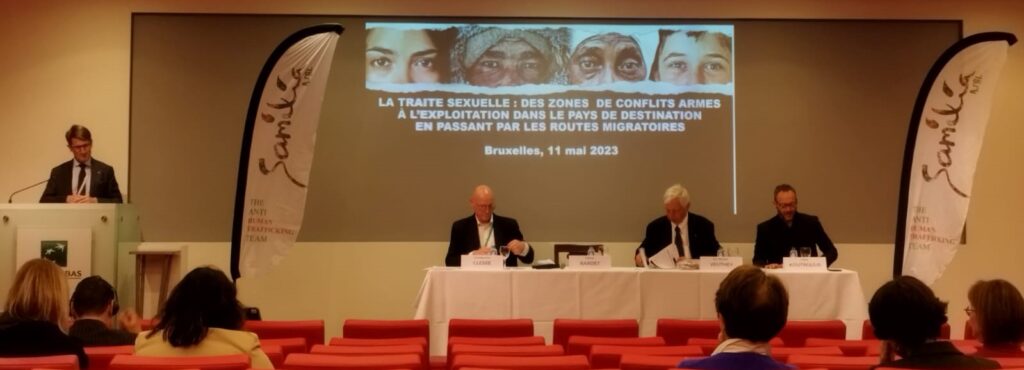
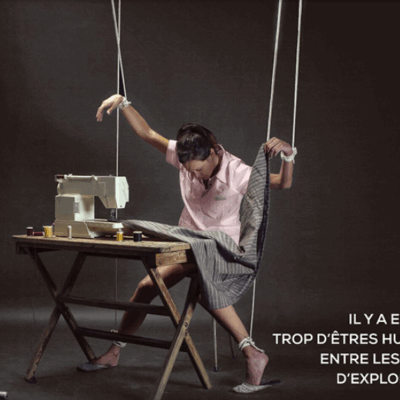
The Samilia Foundation (Belgium) and Stand Speak Rise Up! (Luxembourg) organized a conference on 11 May 2023 in Brussels on the theme: “Sexual trafficking: from armed conflict zones to exploitation in the destination country via migration routes.” Two topics were addressed during this afternoon of study:
These topics are not so distant from each other, given that, on the one hand, this type of crime is gendered and, on the other hand, sexual violence committed in the context of armed conflicts may be only the starting point of a situation of human trafficking.
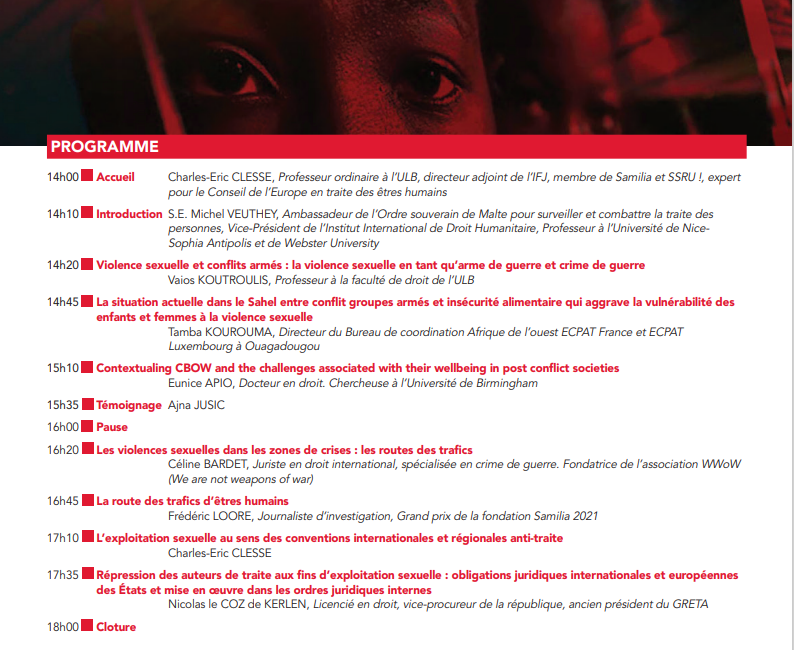
The first part of the conference addressed sexual violence against women in armed conflict contexts. These acts are not necessarily human trafficking but constitute war crimes under both international and national standards. The example of Eastern Sahara shed light on this crime and demonstrated that such violence can be considered a push factor leading women to migrate to countries where they believe they will be safe.
Children born of these wartime rapes were given particular focus through a legal and sociological approach. This analysis can also be applied to the situation of children born from sexual trafficking, since the psychological trauma experienced by the victim is similar and may lead to rejection of the unborn child.
Wars are also push factors that force people into migration. They drive those fleeing them onto human trafficking routes, which are also places where sexual violence occurs. The approach proposed for this part was both legal/factual and journalistic, with a synthetic presentation of reports carried out in situ by a senior reporter specializing in human trafficking.
Trafficking routes often lead women to sexual exploitation in the destination country. The last two presentations therefore focused on human trafficking— the third most profitable crime in the world—specifically for the purpose of sexual exploitation.
The first presentation developed the notion of sexual trafficking within the meaning of international and regional conventions. The second analyzed the obligations of States to prosecute and try perpetrators, arising both from anti-trafficking legal instruments and from those of international criminal law, including international humanitarian law.